6 Ways to Rethink Your Relationship with Alcohol
Sep 29, 2026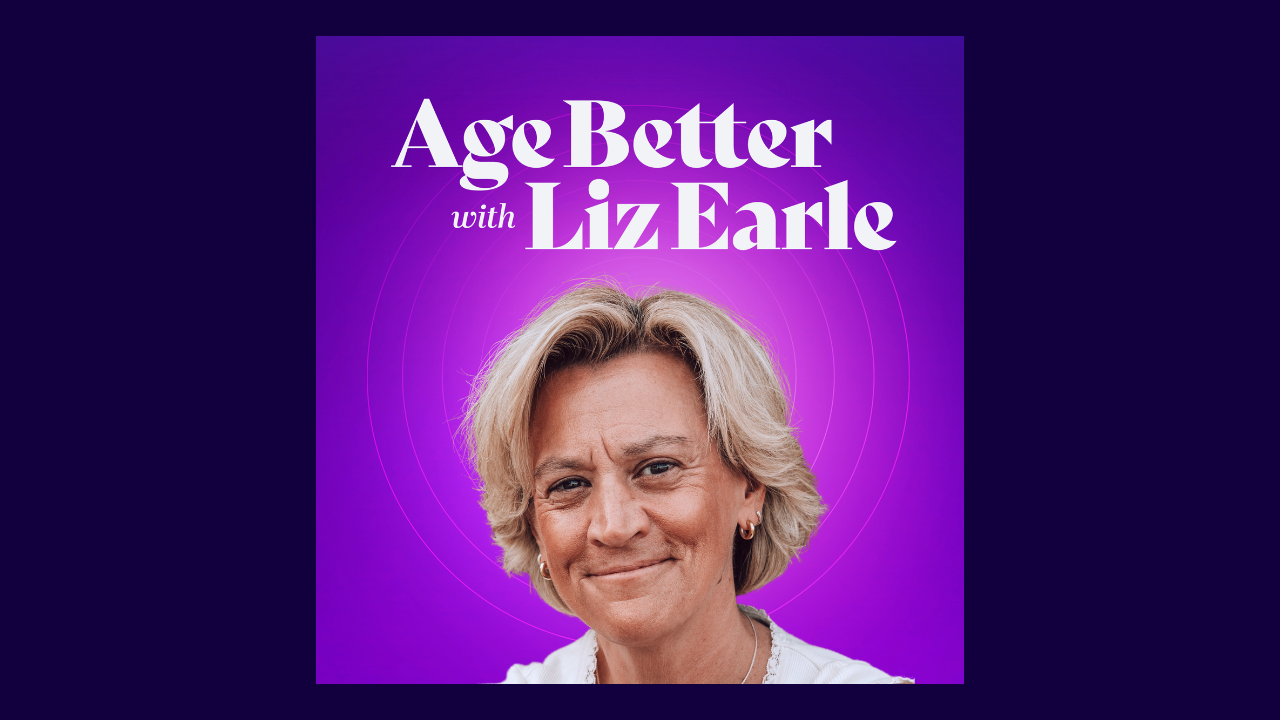
What if the drink isn’t actually what you’re craving?
I was recently invited onto Liz Earle’s Age Better podcast to talk about something I’m incredibly passionate about: our relationship with alcohol, and why changing the way we drink is about so much more than willpower.
We had one of those conversations that could have gone on for hours.
Because when we talk about alcohol, we tend to focus on the obvious things: how much we drink, how often we drink, whether we should cut down, take a break or stop altogether.
But I think there’s a much more interesting question underneath all of that:
Why do we drink in the first place?
And perhaps even more importantly:
What are we actually looking for when we reach for the glass?
This is something I explored deeply in my book, What Are You Thirsty For?, and it's at the heart of the work I do as an alcohol mindset coach.
Here are six of the biggest ideas we explored with Liz.
1. Alcohol can become our emotional coping tool
For much of my adult life, alcohol had become my Chief Emotions Officer.
It was the CEO.
It was running the ship.
I wasn't necessarily drinking because I wanted to get drunk. I was drinking because I'd learned that alcohol could change how I felt.
Celebrating? Have a drink.
Stressed? Have a drink.
Sad? Have a drink.
Bored? Have a drink.
Excited? Have a drink.
Bad day? Definitely have a drink.
Good day? Definitely have a drink.
There wasn't really an emotion that didn't have an accompanying drink.
And that's important because if you use alcohol to manage your emotions for long enough, you don't necessarily develop other ways of managing them.
The drink becomes THE tool.
So when you try to take the drink away, you're not just removing alcohol….
You're removing the thing you believe helps you cope with life.
That's why simply telling yourself "I'm not going to drink tonight" can be surprisingly difficult.
You're trying to change the behaviour without addressing the reason behind it.
2. Ask yourself: what am I actually thirsty for?
This is one of the most powerful questions you can ask yourself when you feel the urge to drink.
What am I actually thirsty for?
Because the answer may have nothing to do with alcohol.
Maybe you're thirsty for rest.
Connection.
Comfort.
Fun.
A sense of reward.
To switch off.
To feel less anxious.
To escape from the constant demands of being needed.
To feel like yourself again.
Or perhaps you're simply exhausted.
The problem is that we've become incredibly good at translating all of those needs into one answer:
A drink.
We've been taught to associate alcohol with feelings.
Think about the way alcohol is marketed.
It's rarely really selling you a liquid.
It's selling relaxation.
Freedom. Connection. Confidence. Celebration. Belonging.
A better evening.
A better version of yourself.
So when you reach for the drink, try asking:
What job am I asking this drink to do?
That question can tell you far more about your relationship with alcohol than counting glasses ever will.
3. Midlife can change the equation
Something Liz and I talked about is the particular relevance of alcohol in midlife.
For many women, this is a period of enormous change.
Our bodies change.
Our hormones change.
Our sleep can change.
Our responsibilities can change.
Children may be growing up or leaving home. Careers can shift. Relationships can change. Parents may need more support. We can find ourselves asking some pretty fundamental questions about who we are and what we want from the next chapter of our lives.
And alcohol can become a very convenient way of taking the edge off all of that.
Except that the thing we use to numb the discomfort can also make it harder to hear what that discomfort is trying to tell us.
Sometimes the anxiety, irritability, exhaustion or dissatisfaction isn't something that needs to be numbed.
It's information.
Messages trying to get through.
And if we're continually pouring a drink over those messages, we may never discover what they're actually trying to tell us.
There is also the physical reality that many of us notice as we get older: alcohol simply doesn't seem to agree with us in the way it once did.
The sleep isn't as good.
The anxiety the next day can be worse.
Recovery takes longer.
And what once felt like a harmless way to unwind can start to feel increasingly at odds with how we actually want to feel.
4. We've normalised drinking far more than we realise
My own drinking became deeply embedded in the culture of the advertising industry.
For more than 25 years, I worked in advertising, an industry where alcohol was woven into the fabric of working life. (more on my story here.)
There were alcohol brands in the agency.
There were bars in agencies.
Client meetings happened over drinks.
Creative meetings happened in pubs.
Working late could quite easily become an excuse for getting the beers in.
And when everyone around you is doing something, it becomes very difficult to question it. That's one of the reasons our relationship with alcohol can be so complicated.
We don't just have our own beliefs about drinking.
We inherit them.
From our families.
Our friends.
Our workplaces.
Our social lives.
The media.
Advertising.
And our culture.
We've grown up with messages like:
“You deserve a drink.”
“It's five o'clock somewhere.”
“Let's celebrate.”
“Work hard. Play hard”
“You need a drink after that day.”
“Mum needs wine.”
“It's the weekend.”
“It's Christmas.”
“It's a holiday.”
The occasions are endless.
And because drinking is so socially accepted, it can be difficult to recognise when something that feels completely normal isn't actually working particularly well for you.
5. Habit and dependency aren't the same thing
Another important distinction we discussed is the difference between habit and dependency.
You don't have to identify as "an alcoholic" to have a relationship with alcohol that you'd like to change.
There is a huge grey area between someone who drinks occasionally without giving it much thought and someone with a severe alcohol dependency.
And that's where many people find themselves.
They don't necessarily want to give up alcohol forever. They just know they're drinking more than they'd like.
Or thinking about it more than they'd like. Or relying on it more than they'd like. Or repeatedly promising themselves they won't drink and then finding themselves doing exactly that.
That's worth paying attention to.
Rather than asking:
"Do I have a drinking problem?"
I think a more useful question is:
"Is my relationship with alcohol giving me the life I want?"
Because ultimately, this isn't about labels. It's about your life.
If alcohol is affecting your sleep, your mood, your energy, your relationships, your confidence or your sense of freedom, then it's worth being curious about.
6. Curiosity is more powerful than willpower
This is perhaps the biggest shift I want people to make: stop approaching your drinking with judgement. Get curious about it.
Willpower says: "I mustn't drink."
Curiosity says: "That's interesting. Why do I want a drink right now?"
Willpower says: "I've failed again."
Curiosity says: "What happened today that made me want to drink?"
Willpower says: “What’s wrong with me?”
Curiosity says: “What is it about my life that I am trying to outrun and escape from?”
Willpower creates a battle.
Curiosity creates information.
And information gives you something you can actually work with.
The next time you reach for a drink, pause for a moment.
Ask yourself:
What am I feeling?
What happened today?
What do I think this drink is going to give me?
What am I actually thirsty for?
You don't have to judge the answer.
You don't even have to decide not to drink. Just get curious.
Because when you understand the need underneath the behaviour, you can start finding other ways to meet that need.
And that's where real change begins.
So, do I need to give up alcohol completely?
That's a question people often ask me.
And I gently suggest they ask a different one
Instead ask:
Is my life good enough? And is alcohol in some way responsible for it falling short of what I want?
That's a very different question. Because this isn't really about alcohol. It's about your life, whether you own it and whether you're making conscious choices. Whether you sleep well and have energy. Whether you're present. Whether you can cope with difficult emotions without needing something outside yourself to change how you feel.
And ultimately, whether the life you're living is the life you actually want.
You don't have to start by deciding forever.
You can start with a question:
What are you really thirsty for?
That's where my book, What Are You Thirsty For?, begins too.
It's not a manual telling you what to do. It's an invitation to rethink the beliefs, habits and stories you've built around alcohol - and to start asking yourself what you actually want from your life.
If you're curious about changing your relationship with alcohol, I'd love you to start there.
And if you'd like support to explore your own relationship with drinking, you can find out more about working with me as an Alcohol Mindset Coach.
I loved talking to Liz Earle about this subject, and we covered so much more than I could fit into this article - including alcohol and sleep, stress, breast cancer risk, the difference between habit and dependency, and why midlife can be such an important time to rethink our relationship with drinking.
Get The Rethink Edit directly to your inbox, every month.
A light, monthly digest for the curious drinker and thoughtful reader — blending reflection, culture and conversation.
We hate SPAM. We will never sell your information, for any reason.